Published Hawaiʻi Data
Official maternal health information helps us understand statewide patterns, known gaps, and questions that need deeper attention.
Project 01 · Maternal Health
A project of Hoʻōla ʻŌiwi Foundation
Listening to mothers.
Strengthening families.
Shaping future care.
Project overview
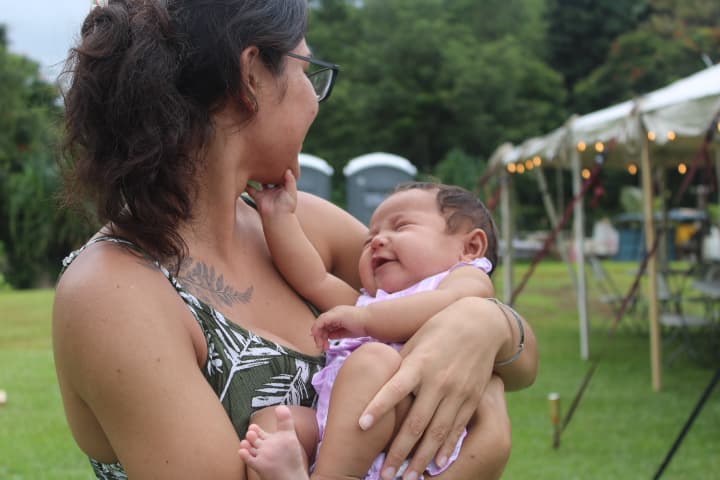
Waiū is a developing maternal health project of Hoʻōla ʻŌiwi Foundation created to strengthen support for mothers and ʻohana across West Hawaiʻi and beyond.
Our focus includes breastfeeding, pumping, postpartum support, and breast pump access, especially among Native Hawaiian, Pacific Islander, rural, WIC, and Med-QUEST families.
We believe mothers should have a voice in shaping the systems, resources, and support created for them.
Understanding maternal needs in Hawaiʻi
Waiū brings several forms of knowledge together while keeping published data distinct from future community findings.
Official maternal health information helps us understand statewide patterns, known gaps, and questions that need deeper attention.
Future surveys can help us learn about pumping, postpartum support, breast pump access, work, school, and rural experiences.
Mothers bring context, strengths, and experiences that numbers alone cannot provide.
University researchers and maternal health professionals can strengthen design, ethics, analysis, and interpretation.
Published Hawaiʻi data
Each visual shows its source, year, population and limitations. We do not combine measures from different years.
Last reviewed August 19, 2026
Published Hawaiʻi data · 2019
In the 2019 Hawaiʻi PRAMS sample, 94% of infants were offered breast milk at some point, 81% were receiving some breast milk at 8 weeks and 55% were exclusively breastfed at 8 weeks. HHDW calls the first measure offered breast milk at any point, so we use that same wording here.
Population: Women with a recent live birth in Hawaiʻi
Sample and limitation: 629 women surveyed statewide. Indicator denominators may vary because missing, refused, and unknown responses are excluded where applicable.
Source [1]: Hawaiʻi Health Data Warehouse, 2019 PRAMS Data Has Arrived. Accessed August 19, 2026.
Published Hawaiʻi data · 2024
Ten Hawaiʻi maternity hospitals took part in the 2024 survey. The overall mPINC score was 78 out of 100. These scores describe hospital breastfeeding support practices and policies. They are not percentages of mothers who breastfed.
Population: Hawaiʻi hospitals with maternity care services that participated in CDC's mPINC survey
Sample and limitation: 10 of 12 eligible Hawaiʻi hospitals participated, an 83% participation rate.
Source [2]: CDC, 2024 mPINC State Scores by Region. Accessed August 19, 2026.
Historical · Focused on one community
A 2007 study looked back at records from one Waiʻanae Coast WIC community. It gives us useful local history, but it is not a current statewide estimate.
Population: Native Hawaiian or part Hawaiian WIC participants who had initiated breastfeeding
Sample: 200 participants; retrospective WIC records from 2003 to 2005
In this historical sample, 38% exclusively breastfed at initiation, 18% exclusively breastfed at six months and 48% had weaned by six months.
Evidence gap
A 2016 systematic review found very little research that reported Native Hawaiian and Pacific Islander breastfeeding experiences with enough specificity.
Community knowledge gaps
Public data cannot answer every practical question about pumping and postpartum life in each community.
Who can obtain a breast pump, and where?
Who pays, and what do insurance programs cover?
Which pump formats fit daily life?
How do flange fit and comfort affect pumping?
What differs across rural and neighbor island communities?
What supports or limits pumping away from home?
How important are cleaning, noise, portability, and battery life?
What support reaches mothers after hospital care?
University and community research partnerships
We are seeking collaboration with professors, researchers, lactation professionals, nurses, and community health organizations.
Partner With the Waiū ProjectFrom evidence to action
We will start with published research, listen to mothers and families, and ask qualified partners to help us understand what we hear.
Together, these steps will help shape future programs, partnerships and advocacy.
Learning into action
We will use what we learn to make careful choices about what to build and where help is needed.
A · Published Hawaiʻi Data
Official statewide and national data give us context about population patterns, care practices and known gaps.
B · Waiū Project Community Findings
Future surveys and stories will reflect the people who choose to take part. We will not claim they represent all Hawaiʻi mothers unless the study design supports that conclusion.
Transparency · A developing charitable goal
The Foundation is working toward providing free breast pumps to eligible mothers through charitable funding and partnerships.
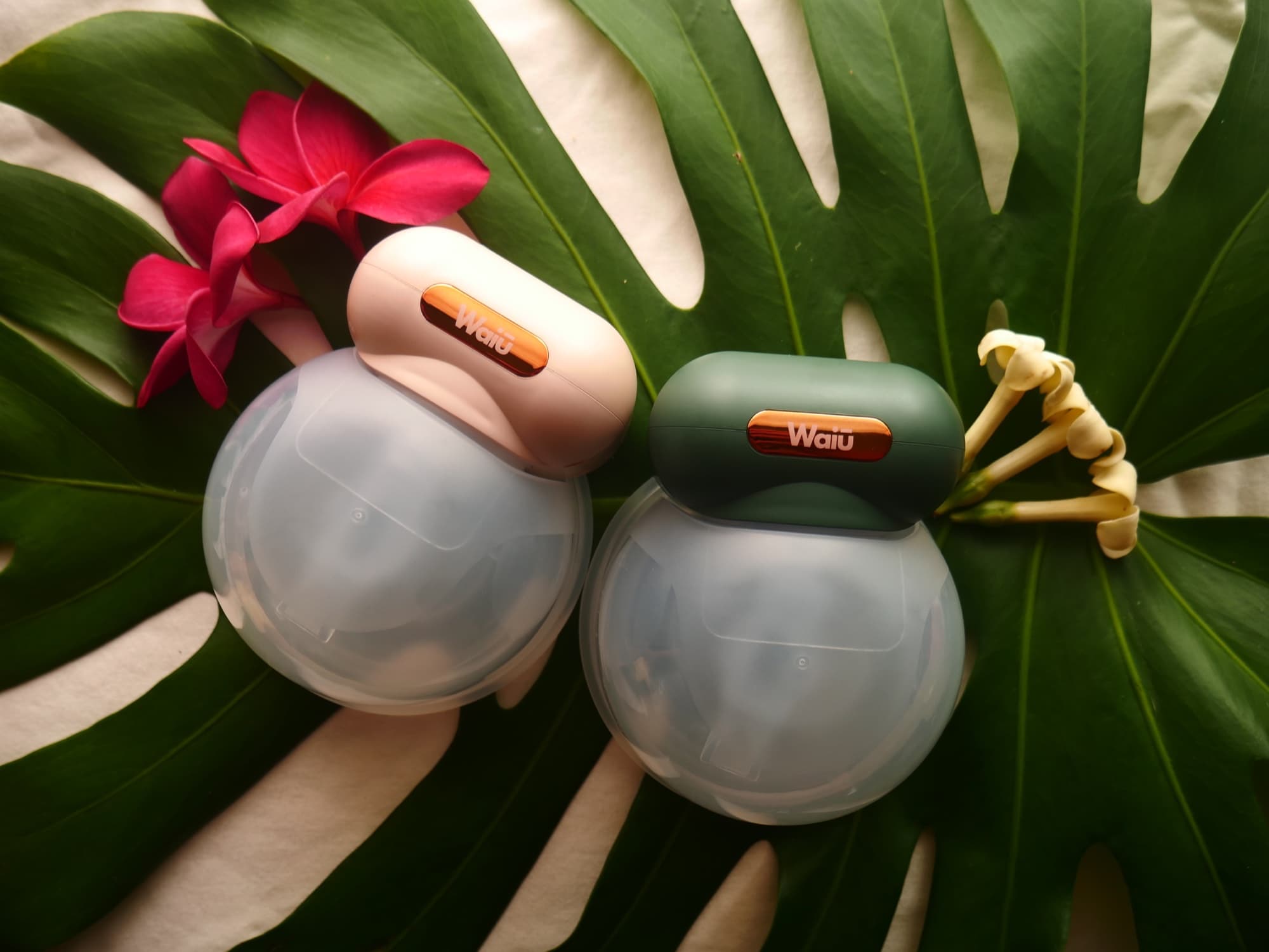
The Waiū Maternal Project is a nonprofit community program. Waiū by VHM is a separate, independently operated medical device business and is not affiliated with Hoʻōla ʻŌiwi Foundation.
Distribution has not begun, and no application or eligibility process is open.
Foundation participant data will be protected. Only authorized, deidentified findings may be shared with research or maternal health partners. Community information will not be used as product marketing.
Evidence and project history
These entries used different methods and populations. They offer context, but they do not form one continuous dataset.
Historical research focused on one community using records from 2003 to 2005. Source [3]
Nine eligible studies revealed limited disaggregated evidence and substantial variation. Source [4]
Hilinaʻi Kane developed the maternal health topic and conducted preliminary research. This project history note is not evidence for a health statistic.
The Waiū Project reviewed HHDW, Hawaiʻi Department of Health and CDC materials. See sources [1], [2] and [5]
Voluntary surveys, ethical guidance and research partnerships are still being developed. No findings have been produced yet.
Methods and citations
Each statistic stays connected to its original year, population and method. Access dates apply to online materials.
Growing carefully
Waiū is being developed carefully and in phases as the Foundation continues listening, developing partnerships, securing resources, and learning where we can make the greatest impact.
E mālama pū kākou i nā makuahine a me nā ʻohana.Let us care together for mothers and families.Connect With Us